
How to Choose the Right Frame Width for Your Face When Buying Lightweight Carbon Cycling Sunglasses?
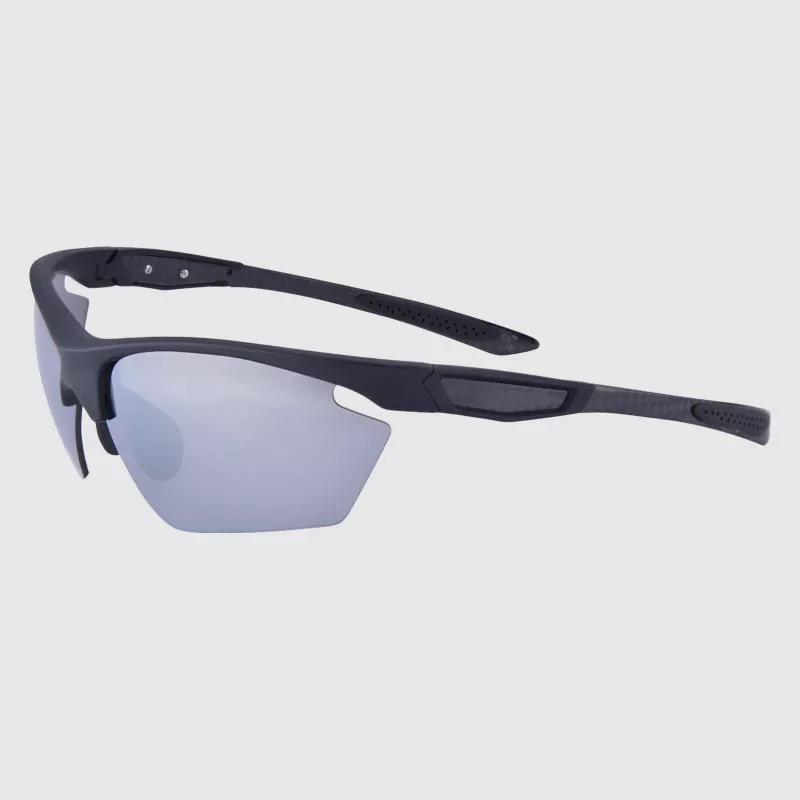
POHINIX Lightweight Carbon Cycling Sunglasses are increasingly discussed in outdoor eyewear design studies, especially when frame width alignment becomes a decisive factor in comfort and visual stability during sports use.
Across cycling routes, running tracks, and mixed-terrain endurance sports, frame width is no longer treated as a secondary design detail. It directly influences how securely eyewear sits on the face, how airflow is managed around the eyes, and how effectively lenses maintain optical alignment under movement. This has made frame width selection a central topic for users who rely on Carbon Cycling Sunglasses in dynamic outdoor environments.
Why Frame Width Matters in Sports Eyewear Fit
Frame width determines how evenly pressure is distributed across the temples and nose bridge. If the frame is too wide, it may slide during rapid motion; if too narrow, it can create pressure points that lead to discomfort over extended use. In sports scenarios involving vibration, sweat, wind resistance, and head rotation, even a few millimeters of mismatch can affect performance perception.
For products like Carbon Cycling Sunglasses, frame width is integrated with flexible carbon fiber temple structures and TR90 frame resilience to reduce instability during motion. This combination allows the eyewear to adapt to facial contours rather than forcing a rigid fit.
Key functional impacts of frame width:
- Lens alignment consistency during movement
- Pressure balance across temples and nose pads
- Wind intrusion control around eye sockets
- Long-duration comfort in endurance sports
Face Width Categories and Frame Matching
Different facial structures require different eyewear width strategies. While individual variation is always present, general grouping helps simplify selection logic.
| Face Type | Approx. Width Range | Recommended Frame Behavior | Common Fit Issues |
| Narrow Face | 120–130 mm | Compact, inward-curved temples | Sliding, loose grip |
| Medium Face | 130–145 mm | Balanced curvature, adaptive pads | Occasional temple pressure |
| Wide Face | 145–160 mm | Extended frame arms, flexible fit | Tightness at temple sides |
| Athletic/Angular | Variable | High-adjustability structure | Uneven pressure distribution |
This classification is especially relevant when evaluating Lightweight Carbon Cycling Sunglasses for mixed sports use, where face movement and environmental exposure differ significantly between activities like cycling and running.
How to Measure Face Width Accurately
Face width measurement does not require specialized equipment, but accuracy improves selection outcomes significantly.
Simple measurement method:
- Stand in front of a mirror at eye level
- Locate the outer edges of the cheekbone area
- Measure straight across using a ruler or flexible tape
- Record the distance between both widest points
A more advanced method involves digital facial mapping tools, often used in professional sports fitting environments, but manual measurement remains widely practical.
Once the width is known, it becomes easier to match eyewear frame geometry, especially for structured designs like Carbon Cycling Sunglasses, where temple flexibility and nose pad adjustability can compensate for minor mismatches.
Frame Width and Sports Performance Scenarios
Different sports introduce different mechanical stresses on eyewear. Frame width interacts with these forces in subtle but important ways.
Cycling: Stability Under Vibration
Cycling introduces continuous vibration and forward wind pressure. A properly matched frame width ensures the glasses do not shift downward or outward during sustained pedaling.
Running: Vertical Impact Control
Running creates repetitive vertical motion. Narrow or overly wide frames can bounce, leading to visual misalignment. Balanced width helps maintain steady lens positioning.
Fishing and Outdoor Observation: Static Comfort
In low-movement environments, pressure distribution becomes more important than grip strength. Wider tolerance frames may be more comfortable for extended wear.
In all these scenarios, Carbon Cycling Sunglasses design principles focus on maintaining stability without excessive tightening force.
Common Mistakes in Frame Width Selection
Many fitting issues do not come from lens quality or material performance but from incorrect frame width assumptions.
Frequent errors include:
- Choosing based on appearance rather than facial proportion
- Ignoring temple pressure after short trial wear
- Overlooking helmet compatibility in cycling use
- Assuming one frame width suits all sports activities
These mistakes often lead to discomfort that appears after extended use rather than immediately, making them harder to identify at the point of selection.
Material Engineering and Ergonomic Balance in POHINIX Design
The structural design of POHINIX eyewear integrates TR90 frame flexibility with carbon fiber temple reinforcement. This combination allows controlled elasticity while maintaining directional stability.
In Lightweight Carbon Cycling Sunglasses, carbon fiber temples serve not only as reinforcement but also as vibration dampening elements. This reduces micro-movements that typically occur during high-speed outdoor activity.
Ergonomic features supporting frame width adaptability:
- Adjustable nose pads for vertical alignment correction
- Soft rubber temple tips for friction stabilization
- Lightweight frame structure to reduce downward pressure
- Semi-flexible geometry for natural facial adaptation
These features collectively allow a broader tolerance range in frame width selection without compromising stability.
Practical Guide to Selecting Frame Width
While individual fitting remains ideal, a simplified decision approach can help reduce mismatch risk.
- Identify face width category using basic measurement
- Consider activity intensity (high-motion vs low-motion sports)
- Check pressure points after 5–10 minutes of wear
- Simulate movement (head turning, slight jogging)
- Evaluate temple and nose stability together, not separately
This approach ensures that Carbon Cycling Sunglasses selection is based on real usage behavior rather than static appearance.
Environmental Factors That Influence Fit Perception
Frame width effectiveness can change depending on environmental conditions:
- Heat and sweat: increases sliding risk if width is too large
- Cold conditions: may tighten material feel slightly
- Wind exposure: amplifies instability in loose frames
- Helmet use: modifies temple pressure distribution
Understanding these variables helps explain why a frame may feel different in real outdoor conditions compared to indoor fitting.
Frame width selection plays a defining role in how sports eyewear performs under real movement conditions, influencing comfort, stability, and visual consistency. Through design approaches seen in Carbon Cycling Sunglasses, the relationship between facial structure and eyewear geometry is increasingly treated as a functional system rather than a static measurement. POHINIX continues to integrate carbon fiber reinforcement, adjustable fitting elements, and ergonomic structuring into its eyewear design philosophy, reflecting broader trends in outdoor sports optics development shaped by POHINIX Lightweight Carbon Cycling Sunglasses.
Previous:No News
Send Inquiry


X
We use cookies to offer you a better browsing experience, analyze site traffic and personalize content. By using this site, you agree to our use of cookies.
Privacy Policy